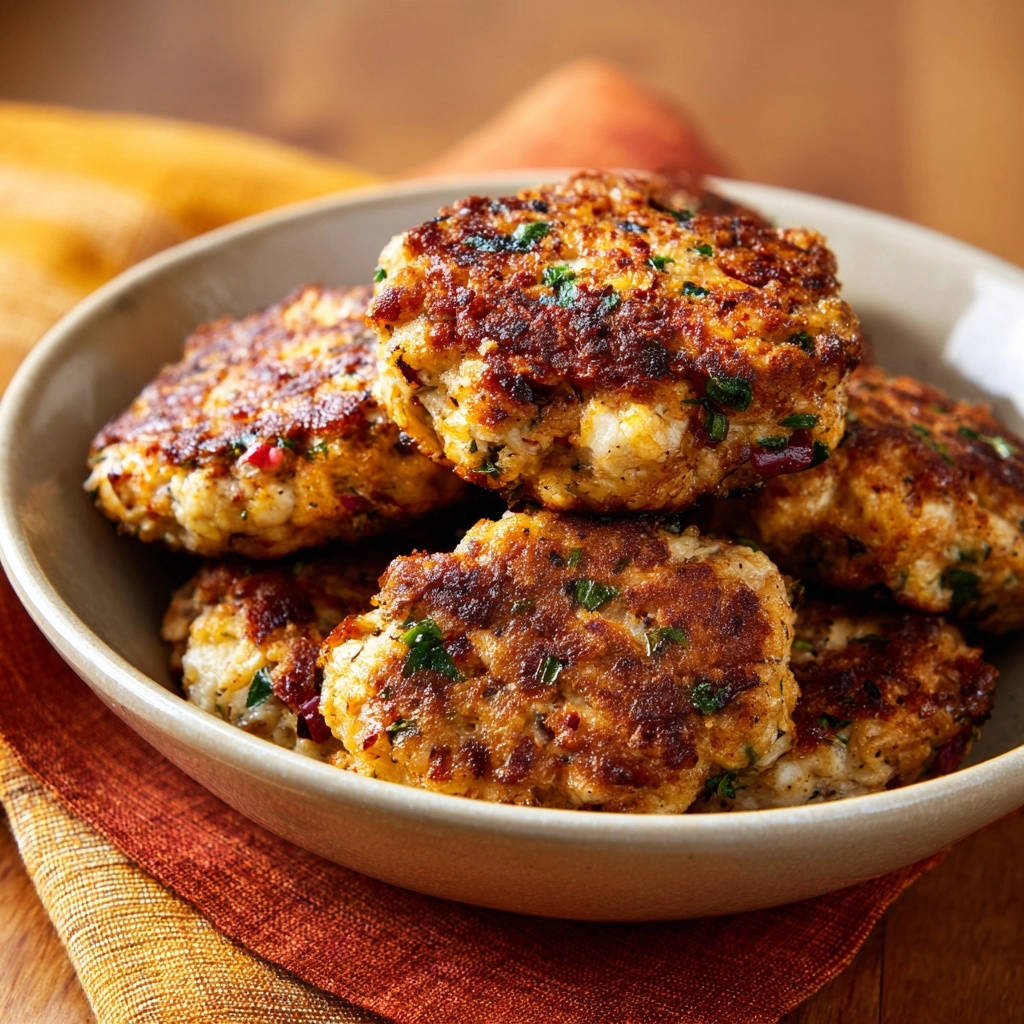
Crafting Golden Crab Cakes: Essential Tips for Flavor and Crispness
Crab cakes are a culinary delight, a beloved seafood staple that effortlessly combines delicate flavors with satisfying textures. Whether you're a seasoned chef or an adventurous home cook, the allure of a perfectly crafted crab cake is undeniable. The secret to achieving that coveted golden, crispy exterior while preserving a tender, succulent interior often lies in the cooking method. While there are various ways to prepare them, pan-frying stands out as the go-to technique for countless enthusiasts. This method not only offers quick, restaurant-quality results right from your stovetop but also allows for unparalleled control over the final flavor and crispness. In this comprehensive guide, we'll dive deep into the essential tips and techniques for creating crab cakes that truly shine, elevating your seafood game to new heights.The Foundation of Flavor: Selecting and Preparing Your Crab Meat
The journey to an exceptional crab cake begins with its very heart: the crab meat itself. This single ingredient dictates the overall flavor and texture more than any other.- Prioritize Freshness: Always opt for the freshest lump crab meat you can find. Look for terms like "jumbo lump," "lump," or "backfin," indicating larger, more intact pieces of meat, primarily from the body of the crab. Freshness isn't just about taste; it significantly impacts the texture, ensuring those delightful, distinct flakes in every bite.
- Visual and Olfactory Cues: High-quality fresh crab meat should be bright white, perhaps with a subtle pinkish tint, and moist, but not watery. Crucially, it should possess a mild, sweet, oceanic aroma – never a strong or "fishy" odor. If it smells distinctly fishy, pass on it.
- The Canned vs. Fresh Debate: While premium canned or pasteurized crab meat can be a viable substitute in a pinch, it generally cannot compete with the nuanced flavor and superior texture of truly fresh crab. Canned versions often have a slightly metallic undertone and a more shredded consistency. If using canned, drain it meticulously and gently pick through for any shell fragments.
- Gentle Handling is Key: Once you have your beautiful crab meat, the golden rule is gentleness. Transfer it to a bowl and very lightly pick through it to remove any remaining shell fragments or cartilage. Avoid squeezing or pressing the meat, as this can break up the delicate lumps and extract moisture, compromising the final texture. The visual and textural contrast of those intact crab chunks is a hallmark of a gourmet crab cake.
The Art of the Mix: Binders, Seasonings, and Achieving the Perfect Consistency
With your premium crab meat ready, the next step is to thoughtfully combine it with binders and seasonings that enhance, rather than overpower, its natural sweetness. This delicate balance is what sets truly great crab cakes apart.- The Role of Binders: Binders are essential for holding your crab cakes together during cooking. Common binders include mayonnaise, egg, and breadcrumbs.
- Mayonnaise: Adds moisture and richness. Consider using a good quality, full-fat mayonnaise for the best flavor and binding properties.
- Egg: Acts as a powerful emulsifier, helping to bind the mixture and provide structure.
- Breadcrumbs: These are often the most debated binder. The goal is to use just enough to bind the mixture without making it heavy or bready. Panko breadcrumbs are a fantastic choice, offering a light, airy texture that contributes to crispness rather than denseness. Avoid overly dense or heavily seasoned breadcrumbs that might mask the crab's flavor.
- Seasoning with Finesse: The seasonings should complement the crab, not dominate it.
- Maryland-Style Classic: For an authentic Maryland-style crab cake, Old Bay seasoning is non-negotiable. This proprietary blend of spices, including celery salt, mustard, pepper, and bay leaf, has become synonymous with East Coast seafood. It provides a distinctive, savory kick.
- Fresh Herbs: Finely chopped fresh parsley adds a vibrant color and a fresh, herbaceous note. Chives or green onions can also add a delicate oniony layer.
- Other Flavor Enhancers: A squeeze of fresh lemon juice brightens the flavors. A touch of Dijon mustard or Worcestershire sauce can add a subtle depth. Paprika can enhance color and offer a mild, smoky undertone.
- Less is More: Remember, the star of the show is the crab. Start with conservative amounts of seasonings and adjust to your taste, if necessary, before adding the crab.
- The Gentle Combine: In a bowl, gently combine all your ingredients except the crab meat first (mayo, egg, seasonings, breadcrumbs). Once thoroughly mixed, carefully fold in the crab meat. Use a light hand – a rubber spatula or even your fingertips – to incorporate the ingredients without breaking up those precious lumps of crab. The mixture should be just moist enough to hold together when lightly pressed, but not soggy. If it feels too loose, add a tiny bit more breadcrumbs; if too dry, a touch more mayonnaise.
- Shaping and Chilling for Success:
- Uniformity: Gently form the mixture into evenly sized patties, typically ¾ to 1 inch thick. Uniform size is crucial for even cooking.
- Chill Factor: This step is non-negotiable for structurally sound crab cakes. Place the formed patties on a parchment-lined tray and chill them in the refrigerator for at least 30 minutes, or even up to an hour. Chilling firms up the binders, ensuring the cakes hold their shape beautifully during pan-frying and don't fall apart.
A Note on Regional Variations
While Maryland-style crab cakes are renowned, other regions offer delightful twists. Some Southern recipes might include a touch of hot sauce or bell peppers, while Gulf Coast versions might incorporate Creole seasoning. Feel free to experiment with seasonings that appeal to your palate, always keeping the crab as the focal point.Mastering the Sear: Pan-Frying for Unmatched Crispness
Pan-frying is the undisputed champion for achieving that desirable golden, crispy crust and a perfectly cooked, tender interior. It's a technique that’s easy to master with the right tools and approach. For more detailed guidance on this specific technique, you might find Pan-Frying Perfect Crab Cakes: Your Step-by-Step Guide to Crispy Delights a valuable resource.- The Right Pan Matters:
- Heavy-Bottomed Skillet: A heavy-bottomed skillet is your best friend here. Cast iron is ideal due to its superior heat retention and even distribution, which promotes a fantastic sear. Stainless steel skillets with a heavy bottom also work well.
- Non-Stick Considerations: While convenient for easy flipping, non-stick pans may not achieve the same level of deep, golden-brown crust as cast iron or stainless steel. If using non-stick, ensure it's a good quality pan that heats evenly.
- Oil Selection: High Smoke Point is Key:
- Choose neutral oils with a high smoke point to prevent burning and impart no unwanted flavors. Canola oil, vegetable oil, grapeseed oil, or light olive oil are excellent choices.
- Butter for Flavor: Butter adds incredible richness and flavor, but it has a lower smoke point and can burn quickly, turning black and bitter. A common and highly recommended technique is to combine butter with a high-smoke-point oil (e.g., 1 tablespoon butter to 1 tablespoon oil). The oil raises the overall smoke point, allowing the butter to brown beautifully without burning, contributing to that irresistible golden hue.
- Perfecting the Heat:
- Start with medium-high heat. Allow the pan and oil to preheat thoroughly before adding the crab cakes. You'll know it's ready when the oil shimmers slightly.
- Adding crab cakes to a cold pan or insufficient oil will result in soggy, rather than crispy, exteriors.
- Cooking Technique and Timing:
- Carefully place the chilled crab cakes into the hot oil, ensuring not to overcrowd the pan. Cook in batches if necessary to maintain consistent pan temperature.
- Cook for approximately 3-5 minutes per side, depending on thickness. You're looking for a beautiful, deep golden-brown crust.
- The Flip: This is a crucial moment. Use a thin, flexible spatula – a fish spatula is ideal – to gently slide under the entire crab cake before carefully flipping it. Avoid jabbing or forcing it, which can cause breakage.
- Continue cooking on the second side until equally golden and heated through. The internal temperature should reach 165°F (74°C) if you want to be precise, though visual cues and gentle pressure (it should feel firm but not hard) are often sufficient.
- Draining: Once cooked, transfer the crab cakes to a plate lined with paper towels to absorb any excess oil, helping to maintain their crispness. This step is often overlooked but contributes significantly to the final texture. For an even more in-depth exploration of how to achieve those desired restaurant-quality results at home, check out our guide on Restaurant-Quality Crab Cakes: Mastering Pan-Frying for Home Cooks.
Beyond the Basics: Elevating Your Crab Cake Experience
Once your golden, crispy crab cakes are ready, the presentation and accompaniments can further enhance the dining experience.- Serving Suggestions:
- Classic Condiments: A simple squeeze of fresh lemon wedge is almost mandatory, providing a bright counterpoint to the richness. Homemade tartar sauce, a zesty remoulade, or a classic cocktail sauce are all excellent choices.
- Green Companions: Serve your crab cakes alongside a crisp, lightly dressed green salad to add freshness and cut through the richness.
- Creative Pairings: Consider a bed of fresh arugula, thinly sliced radishes, or even a vibrant corn salsa for a modern twist.
- Accompaniments:
- Roasted asparagus, blanched green beans with almonds, or a light quinoa salad make for elegant and balanced sides. Avoid heavy, starchy sides that might compete with the crab cake's delicate flavor.
- Troubleshooting Common Issues:
- Falling Apart: Usually due to insufficient binder, not enough chilling time, or too aggressive handling during shaping or flipping. Ensure your mixture is well-bound and adequately chilled.
- Soggy Exterior: This often happens if the pan isn't hot enough, too much oil is used, or the pan is overcrowded, dropping the temperature.
- Too Dry/Too Bready: Too many breadcrumbs or not enough moisture (mayonnaise, egg) in the mix. Revisit your binder proportions.
- Ingredient Variations to Experiment With:
- Spice It Up: A pinch of cayenne pepper or a dash of your favorite hot sauce can add a delightful kick.
- Herbal Infusion: Try dill, chives, or tarragon for different aromatic profiles.
- Citrus Zest: Lemon zest provides an intense burst of fresh citrus flavor without adding extra liquid.
- Aromatic Veggies: Finely minced shallots or bell peppers (sautéed first to soften and remove excess moisture) can add subtle layers of flavor and texture.
Crafting the perfect crab cake is a rewarding culinary endeavor that combines the simplicity of fresh ingredients with the finesse of proper technique. By carefully selecting the finest lump crab meat, thoughtfully balancing your binders and seasonings, and mastering the art of the pan-fry, you can consistently achieve crab cakes that are both tender and moist on the inside, with an irresistible golden, crispy crust. No matter the occasion, these essential tips will empower you to create golden crab cakes that delight the senses and earn you rave reviews, proving that a restaurant-quality seafood experience is well within reach in your own kitchen. Enjoy the delicious journey!
