There's an undeniable allure to a perfectly cooked crab cake: a golden, crispy exterior yielding to a tender, succulent interior bursting with the sweet flavor of fresh crab. While often associated with fine dining, achieving restaurant-quality crab cakes right in your own kitchen is entirely within reach. The secret? Mastering the art of pan-frying. This timeless method offers home cooks and even seasoned chefs a quick, satisfying way to transform simple ingredients into a gourmet delight, all without the need for a deep fryer or oven.
Learning to expertly pan-fry crab cakes not only elevates your seafood repertoire but also empowers you to control every aspect, from the freshness of the ingredients to the nuanced blend of seasonings. While fresh crab meat forms the exquisite foundation, it’s your command over the cooking process that truly makes the difference. With the right pan, precise heat, and a thoughtful choice of oil, you can consistently achieve that coveted crisp finish without overcooking. Let’s embark on a culinary journey to perfect your homemade crab cakes, making every bite a testament to your newfound stovetop mastery.
The Foundation: Sourcing the Best Ingredients for Exquisite Crab Cakes
The journey to an extraordinary crab cake begins long before it hits the pan – it starts with selecting the finest ingredients. The quality of your components directly dictates the final taste and texture, making careful sourcing paramount.
- The Star: Fresh Crab Meat
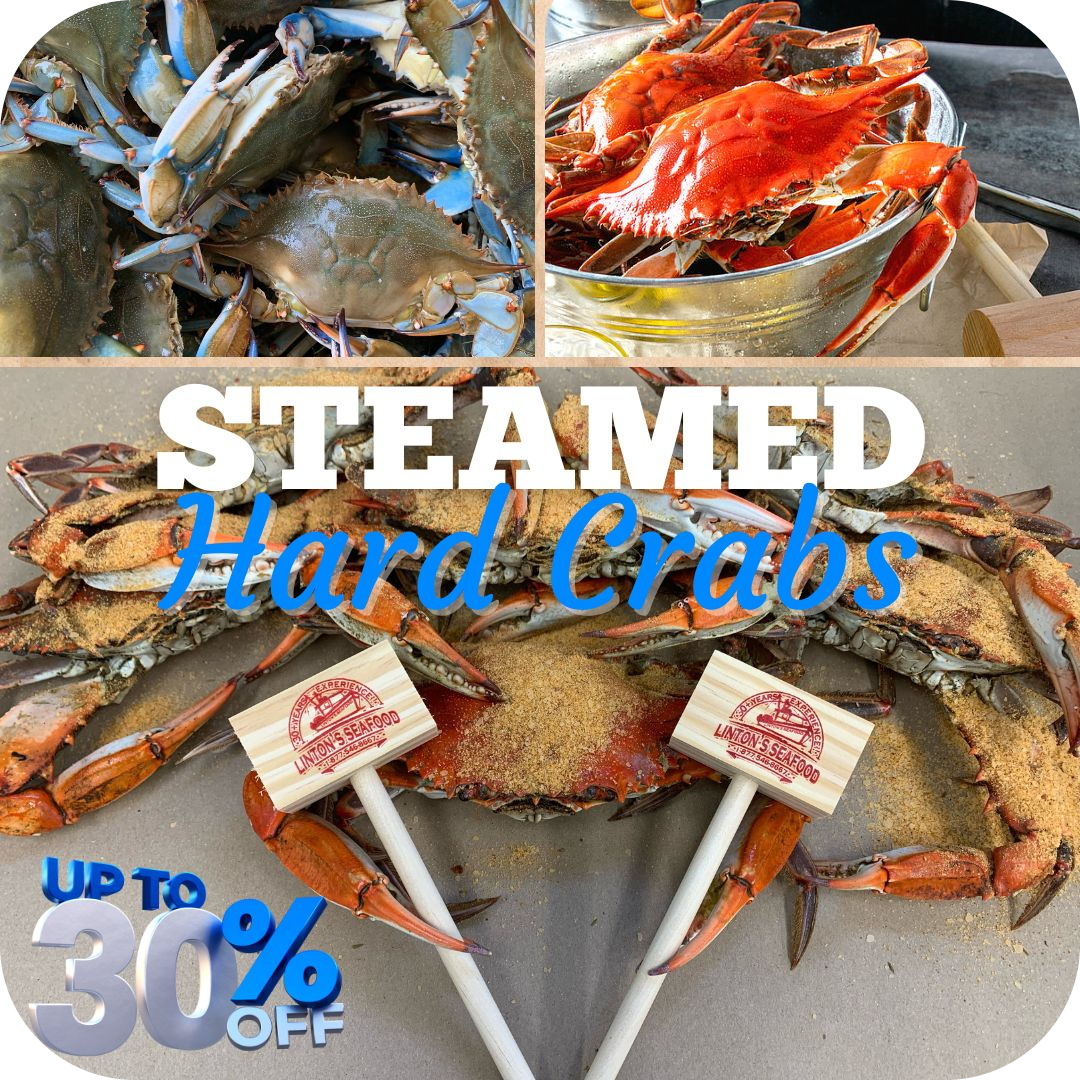
Without a doubt, the most critical ingredient is the crab itself. For true restaurant quality, seek out fresh lump crab meat. This refers to large, delicate pieces of body meat, often from the swimming fins, which provide that desirable visual and textural "chunkiness." Look for crab meat that is pearly white, moist, and possesses a clean, subtly sweet aroma – absolutely no fishy odor. The freshness profoundly impacts both taste and texture. While premium canned or pasteurized crab can work in a pinch, it typically lacks the vibrant flavor and delicate texture of fresh, live-steamed crab. Avoid highly processed canned crab if possible; its quality pales in comparison and can lead to a mushy, less flavorful cake. - The Supporting Cast: Binders and Fillers
Binders are essential for holding your crab cakes together during cooking, but the key is to use them sparingly to let the crab shine. Common binders include mayonnaise and egg, which add moisture and help create a cohesive mixture. When it comes to fillers, opt for light breadcrumbs. Panko breadcrumbs, with their airy, flaky texture, are an excellent choice as they absorb moisture without making the crab cakes heavy or dense. The goal is to bind the ingredients just enough so they hold their shape, ensuring the interior remains tender and moist. Overloading with fillers can lead to dry, bready crab cakes that lack the delicate sweetness of the crab. - Flavor Enhancers: Seasonings That Sing
Seasonings should complement, not overpower, the natural sweetness of the crab. For a truly authentic Maryland-style crab cake, Old Bay seasoning is a must-have. This proprietary blend of spices, originating from Maryland, pairs exquisitely with seafood, offering a unique savory, slightly spicy, and herbaceous note. Beyond Old Bay, fresh herbs like finely chopped parsley add a burst of freshness and color. A dash of paprika can enhance visual appeal and add a mild, earthy undertone. Some recipes might also call for a touch of Dijon mustard for a subtle tang, or a squeeze of lemon juice to brighten the flavors. Remember, the crab should always be the hero; seasonings are merely its trusty sidekicks.
Crafting the Perfect Crab Cake Mixture: A Gentle Touch
Once you’ve gathered your stellar ingredients, the mixing stage is where the magic begins. This step requires a light hand and attention to detail to ensure your crab cakes achieve that desired tender, lumpy texture rather than a uniform paste.
The golden rule for combining your crab cake ingredients is to use a gentle hand. Aggressive mixing can break up the delicate lumps of crab meat, diminishing the texture that makes crab cakes so appealing. Use a spatula or your hands to carefully fold the ingredients together in a bowl. You want to see distinct chunks of crab meat still visible throughout the mixture. This visual and textural contrast is a hallmark of a truly exceptional crab cake.
As you combine the ingredients, pay close attention to the consistency of the mixture. It should be moist enough to hold together when pressed lightly in your hand, but not overly wet or soupy. If the mixture feels too loose or crumbly, you can cautiously add a tiny bit more breadcrumbs or an extra teaspoon of mayonnaise to help bind it. However, resist the temptation to add too much, as excessive binders can dry out the crab cakes or make them heavy and bready. The aim is a delicate balance that allows the mixture to form into patties without crumbling apart.
After achieving the desired consistency, it's time to shape your crab cakes. Aim for uniformly sized patties, approximately ¾ inch thick and about 2-3 inches in diameter. Uniformity is crucial for even cooking, ensuring every crab cake reaches that perfect golden-brown crispness simultaneously. A helpful tip for consistent sizing is to use an ice cream scoop to portion the mixture before gently shaping by hand. Once formed, arrange the crab cakes on a baking tray lined with parchment paper.
Perhaps one of the most overlooked, yet vital, steps is chilling the formed crab cakes. Place the tray in the refrigerator for at least 30 minutes, or even up to a few hours. Chilling allows the binders to set and firms up the patties significantly, dramatically reducing the likelihood of them falling apart when they hit the hot pan. This crucial step is an essential component in Crafting Golden Crab Cakes: Essential Tips for Flavor and Crispness, contributing to both their structural integrity and ultimate crispness.
The Art of Pan-Frying: Achieving That Golden, Crispy Crust
Now for the pièce de résistance: pan-frying. This is where your crab cakes transform from humble patties into glistening, crispy masterpieces. Precision in your pan, oil, and heat management is key to unlocking their full potential.
- Choosing the Right Pan: Your choice of cookware makes a significant difference. A heavy-bottomed skillet is paramount, as it distributes heat evenly and maintains a consistent temperature, which is crucial for developing a uniform, crisp crust. Cast iron skillets are highly recommended for their superior heat retention and ability to create an exceptional sear. While non-stick pans offer convenience and easier cleanup, they may not achieve the same depth of browning and intense crispness that a well-seasoned cast iron or stainless steel pan can provide. Avoid overcrowding the pan; cook your crab cakes in batches if necessary to ensure ample space for proper browning.
- Selecting the Perfect Oil: The right cooking oil is another critical factor. You need a neutral oil with a high smoke point to prevent burning and impart a clean flavor. Excellent choices include canola oil, vegetable oil, grapeseed oil, or light olive oil. While butter adds a wonderful richness and flavor, it has a lower smoke point and can burn quickly, turning black and bitter. An expert tip is to use a combination of oil and butter: start with mostly oil and add a pat of butter halfway through cooking for that delightful buttery note without the risk of scorching. Use just enough oil to generously coat the bottom of the pan, about ⅛ to ¼ inch deep, ensuring the crab cakes fry rather than steam.
- Mastering Heat Management: Preheat your chosen pan over medium heat for several minutes before adding the oil. Once the pan is hot, add your oil, and allow it to heat up until it shimmers slightly but isn't smoking. A quick test: drop a tiny bit of water into the pan; if it sizzles vigorously, your pan and oil are ready. Consistent medium heat is crucial. Too low, and the crab cakes will absorb too much oil and become greasy without crisping. Too high, and they'll burn on the outside before heating through.
- The Pan-Frying Process: Gently place the chilled crab cakes into the hot oil, ensuring not to overcrowd the pan. Cook them undisturbed for approximately 3-5 minutes per side. Resist the urge to move or press down on them immediately. Allow the crust to form a beautiful golden-brown color before attempting to flip. For flipping, a thin, flexible spatula – often referred to as a fish spatula – is your best friend. Its design allows you to easily slide underneath the delicate cakes without breaking them apart. Flip them carefully only once to ensure maximum crispness on both sides. Continue cooking for another 3-5 minutes until the second side is also golden brown and the crab cakes are heated through. For absolute certainty, the internal temperature should reach 160°F, though if your crab meat was pre-cooked (as most lump crab meat is), you're primarily aiming for excellent browning and thorough heating. This precise pan-frying technique is at the heart of Pan-Frying Perfect Crab Cakes: Your Step-by-Step Guide to Crispy Delights, ensuring that perfect crispy finish every time.
Serving Suggestions & Final Touches
Once your crab cakes emerge from the pan, golden and tempting, the final touches elevate them from delicious to unforgettable. Serve them immediately to enjoy their crispness at its peak.
Classic accompaniments enhance the experience without overshadowing the star. A zesty homemade remoulade sauce, a creamy tartar sauce, or simply a wedge of fresh lemon for a bright squeeze of acidity are all excellent choices. For those who enjoy a bit of heat, a spicy sriracha aioli can add a fantastic kick. As for sides, consider lighter options that complement the richness of the crab cakes: a fresh, crisp green salad, roasted asparagus, or a delicate rice pilaf work wonderfully. Garnish with a sprinkle of fresh parsley or chives for a pop of color and added freshness, making your plate as appealing to the eye as it is to the palate.
Conclusion
Transforming humble crab meat into restaurant-quality crab cakes is a deeply rewarding culinary endeavor. By meticulously selecting the freshest lump crab, carefully balancing your binders and seasonings, and applying the gentle art of mixing and shaping, you lay a solid foundation. However, it's the mastery of pan-frying – choosing the right pan and oil, precisely controlling the heat, and executing a confident flip – that truly seals the deal, delivering that coveted golden, crispy crust with a tender, flavorful interior. With these insights and techniques, you are now equipped to create crab cakes that will impress even the most discerning palates, proving that gourmet seafood experiences are wonderfully achievable right in your own home kitchen.
